Do you snore, wake up gasping for breath, or feel exhausted despite a “full“ night’s sleep? These signs may indicate Obstructive Sleep Apnea (OSA), a common disorder where the airways collapse or become blocked during sleep, causing repeated breathing pauses of at least 10 seconds. Beyond snoring, OSA is associated with an increased risk of cardiovascular diseases, hypertension, stroke, type 2 diabetes, memory disorders, depression, and even Alzheimer’s disease; it also promotes daytime sleepiness that can be dangerous while driving or at work. It is estimated that about 75% of affected individuals are unaware of it.
Why Consider an Oral Appliance Instead of CPAP?
The gold standard treatment remains CPAP (Continuous Positive Airway Pressure), a bedside device that continuously delivers pressurized air via a mask to keep the airways open. It is very effective, but not suitable for everyone: uncomfortable masks with skin irritations, a feeling of claustrophobia, device noise, and the difficulty of transporting bulky equipment when traveling explain why many patients struggle to wear it regularly.
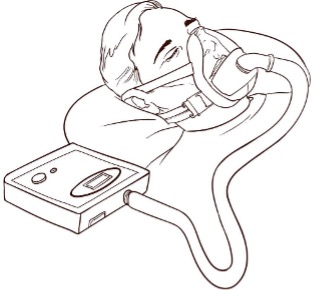
Gold standard treatment for sleep apnea, especially in cases of severe apnea, if well tolerated.
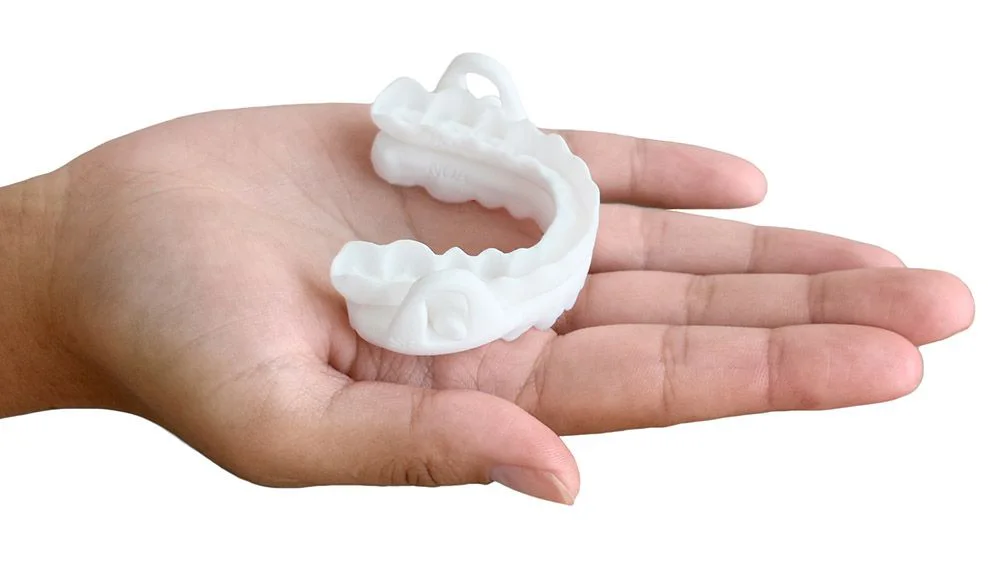
Discreet alternative to CPAP for snoring and mild to moderate apnea.
In these situations, a mandibular advancement device (MAD) often makes a significant difference. It is a small, custom-made oral appliance, worn at night like a mouthguard. It is silent, compact (without tubes, mask, or power supply), and its regular use often leads to better compliance; it is effective for snoring and mild to moderate apnea, and can also be considered for certain severe apneas in cases of CPAP intolerance, after specialist consultation.
How Does It Work?
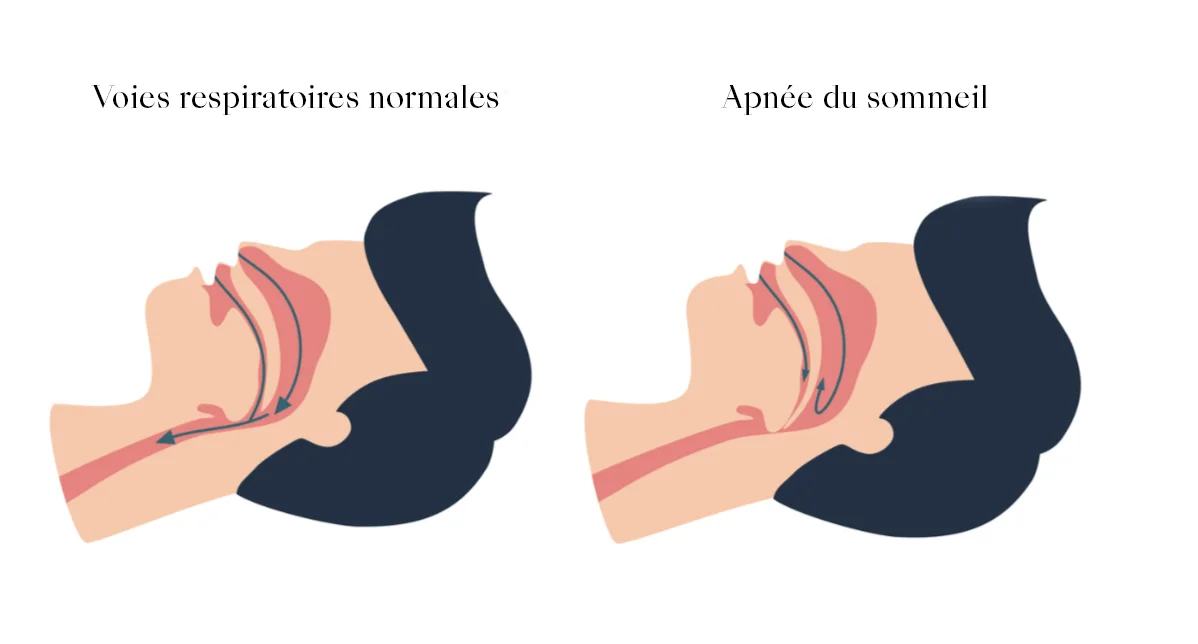
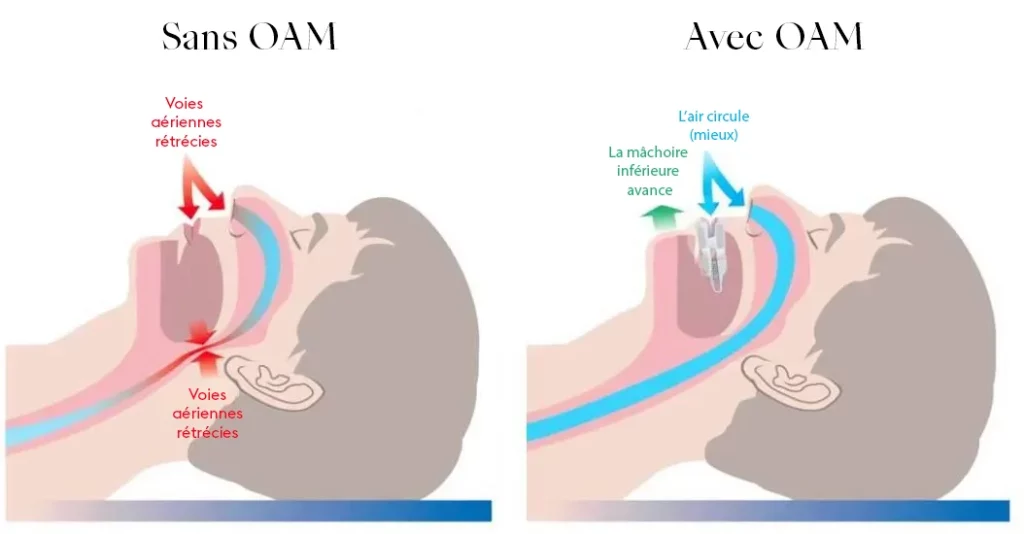
During sleep, the tongue and soft palate tend to fall back, narrowing the airway and leading to drops in blood oxygen. The oral appliance keeps the lower jaw slightly forward: it pulls the base of the tongue and soft tissues forward, increasing airway space in multiple directions and reducing their tendency to collapse. Result: air circulates better and blockage episodes decrease.
Is it Right for your Situation?
MAD is indicated for many people who snore or have mild to moderate apnea. It can also be offered in some more pronounced cases when CPAP is not tolerated, based on a joint decision with a sleep specialist. It also works for “primary snoring,” meaning snoring without associated apnea.
Assess Your Sleep Apnea Risk
Before considering treatment, it is useful to assess your risk of sleep apnea using a validated tool. We provide you with a questionnaire based on the NoSAS score, developed by the Vaud University Hospital Center (CHUV) and the University of Lausanne (UNIL).
This test is used in clinical practice to identify individuals at increased risk of sleep apnea syndrome. The questionnaire takes into account several simple criteria (age, BMI, neck circumference, sex, snoring) and provides an initial risk estimate, without replacing medical advice.
Where to Start? Our Treatment Pathway in Geneva
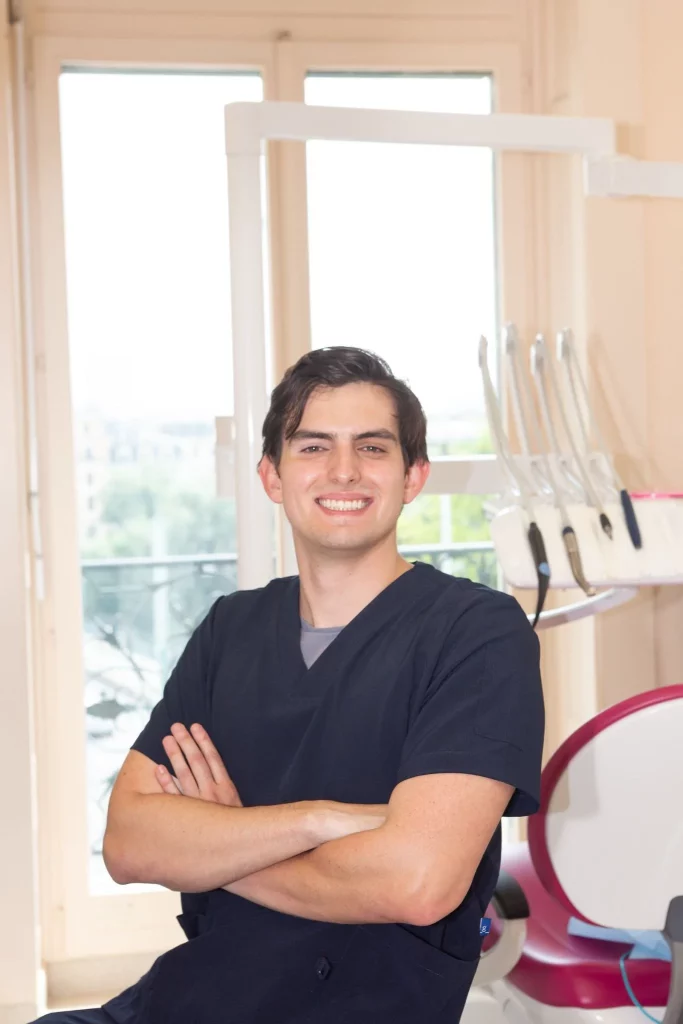
The formal diagnosis of apnea is made by a specialist physician, but we can guide you step by step. During an initial consultation at DentalGeneva, Dr. Daniil Klimovich conducts a detailed interview and an oral examination, relying on validated questionnaires to screen for OSA risk and identify anatomical factors that disrupt sleep. In cases of high suspicion, we coordinate a sleep study (polysomnography or home test) with a trusted specialist. Once the diagnosis is made, we design a custom-made appliance, adapted to your occlusion, jaw movements, and comfort, with regular check-ups to fine-tune the settings and ensure long-term results.
What’s Next?
An adaptation period is normal: a few nights to a few weeks are usually enough to find the right settings. Follow-up visits serve to adjust the position (titration), check comfort, and ensure long-term effectiveness. The goal is simple: calmer nights, better quality sleep, and a device designed to last.
Book an Appointment:
If you are interested in this treatment, you can directly book a consultation with Dr. Daniil Klimovich.