

Mouth breathing is a habit characterized by a person breathing through their mouth 25% to 30% of the time, or even more. This is a condition that requires immediate attention in children, as incorrect breathing can alter the development of bone structures, leading to a progressive deterioration of general health.
Mouth breathing in children is estimated to occur in 3.4% to 56.8% of cases, depending on the country. The development of this condition is most commonly linked to specific obstructions in the respiratory airway system that prevent air from entering or leaving the nose efficiently, leading to a tendency to breathe through the mouth instead.
In this article, I will explain the essential information you need to know about the reasons for mouth breathing and, most importantly, how to identify and treat it.
Table of Contents
Causes of Mouth Breathing
For mouth breathers, it is crucial to address the underlying cause. The goal is to return to nasal breathing as quickly as possible, making it essential to identify the reason behind this habit for successful treatment.
Enlarged Tonsils or Adenoids
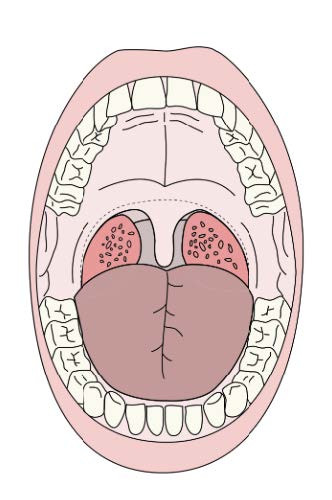
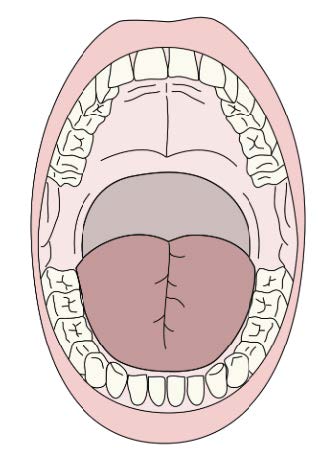
The most common cause of mouth breathing is the presence of enlarged tonsils that obstruct the passage of air through the nose. It is normal for children aged 2 to 6 to have hypertrophied tonsils, which gradually decrease after 10 years of age.
However, it is not typical for them to lead to persistent mouth breathing, which indicates they have become too large and require professional attention. In such cases, the chances of them returning to their normal size are low, and they can cause damage that cannot be spontaneously repaired by nasal breathing.
After identifying enlarged tonsils, the orthodontist may refer the patient to an ENT specialist to perform a tonsillectomy (removal of the tonsils) before continuing treatment.
Pollution or Allergies
Additionally, other possible reasons for this habit may stem from external factors that lead to nasal obstruction due to persistent mucus production.
Pollutants from environmental pollution or allergens have been associated with incorrect breathing. Whether you live in a densely populated city or have a pet that causes constant allergies, these factors can very well be the cause of long-term obstruction.
Deviated Septum
Nasal trauma can lead to a deviated septum, which reduces the passage of air to the lungs. This insufficient airflow often prompts the unconscious use of the mouth to get the necessary air.
Excessive Tissue Growth
Other possible reasons for chronic nasal breathing difficulties are related to obstruction caused by the excessive growth of tissues lining the nose and sinuses. Some of the most common causes are the formation of polyps or hypertrophy of the turbinates.
Physical Characteristics
Whether we examine the face or the inside of the mouth, there are specific characteristics that allow us to identify and classify mouth breathers.
Facial Observation
The medical term for a mouth breather’s face is “adenoid face.” It is generally characterized by a tired appearance, with sagging skin around the eyes, poorly defined cheekbones, a constantly open mouth, and a recessed chin.
During a child’s growth, circulating air guides the development of facial features. When mouth breathing becomes continuous, the absence of air pressure in the nose leads to the underdevelopment of surrounding structures. As the bones are not as prominent as they should be, the skin is not supported, giving it a sagging appearance and making the face look older.

Oral Observation
As mentioned previously, the underdevelopment of certain bones can also be observed inside the mouth. The palate is quite deep with reduced width, not leaving enough space for the proper tongue position when the mouth is closed.
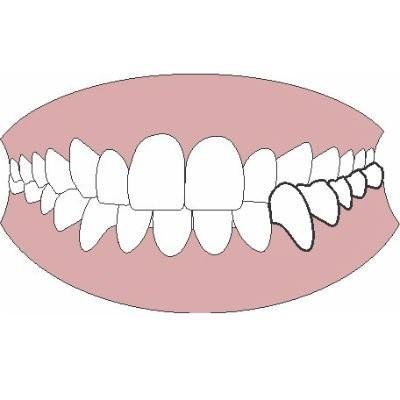
In addition, there is misalignment between the upper and lower teeth, known as a posterior crossbite. If this is not identified and treated quickly, it may require significant therapeutic intervention.
Continuously breathing through the mouth quickly dries out saliva, which removes this natural lubricant that protects the teeth and increases the risk of bacterial infection, potentially leading to the formation of cavities or gum disease.

Dr. Patrick Rodrigues Lopes
Orthodontist. Dental Geneva, Geneva city center.
Treatment
To treat mouth breathing, it is essential to first identify the root of the problem. In some cases, eliminating the cause, such as a specific allergen, or performing a tonsillectomy due to enlarged tonsils, can spontaneously resolve the issue and eliminate the need for additional treatment.
However, in some cases, particularly when mouth breathing persists for a prolonged period, additional treatment may be necessary to correct the bone structure, allowing the patient to breathe through the nose without difficulty.
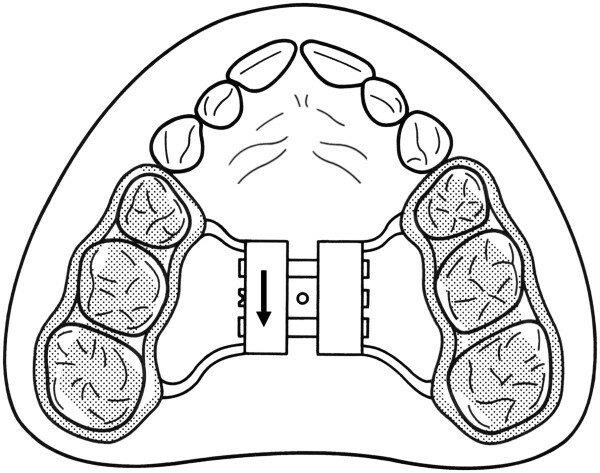
An orthodontist can plan treatment with an expander to widen the narrow palate to enlarge the nasal passage and also allow for improved tooth alignment with the correction of any existing crossbite.
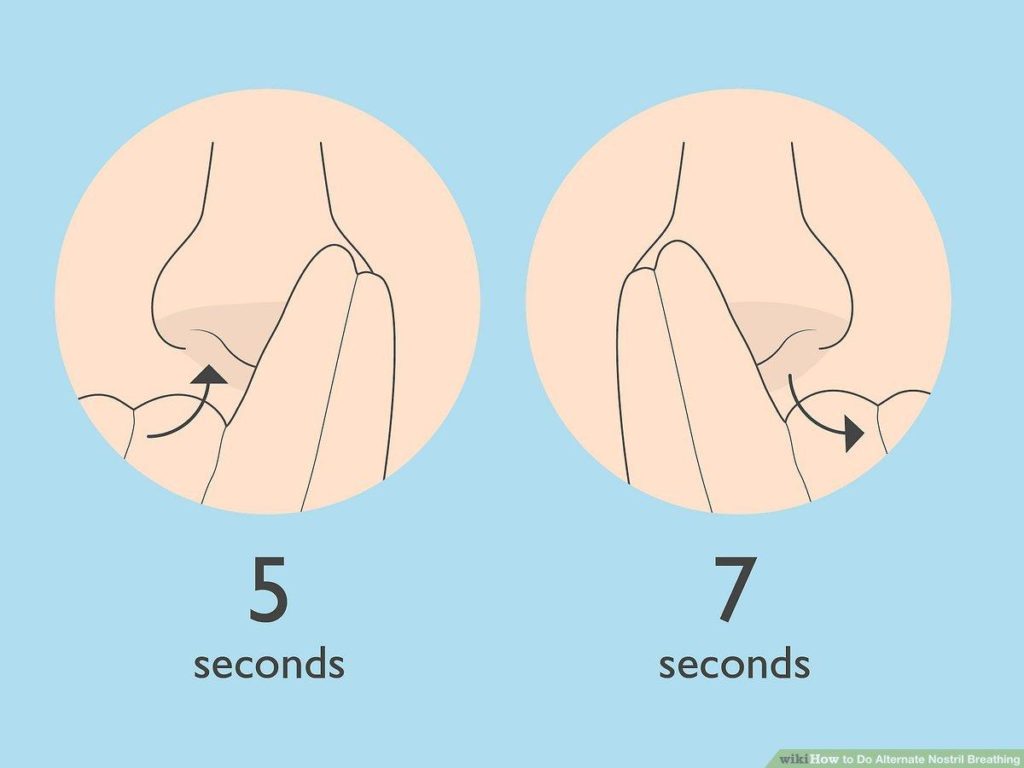
Some people may need additional adaptation to nasal breathing, as they have become accustomed to breathing only through their mouth. It is recommended to stimulate sensory receptors by practicing breathing and scent exercises.
Some exercises you can try include closing one nostril with your fingers for 10 seconds to breathe through the other, then switch. Additionally, smell a menthol inhaler to activate nasal receptors until breathing becomes unconscious.

You are invited to ask any questions you may have about mouth breathing during your next orthodontic appointment at Dental Geneva!
See you soon!